Get a Quote
← Back to Products
Home / Products / Packing Media
Biological Treatment

MBBR Media
(K1 – K5)

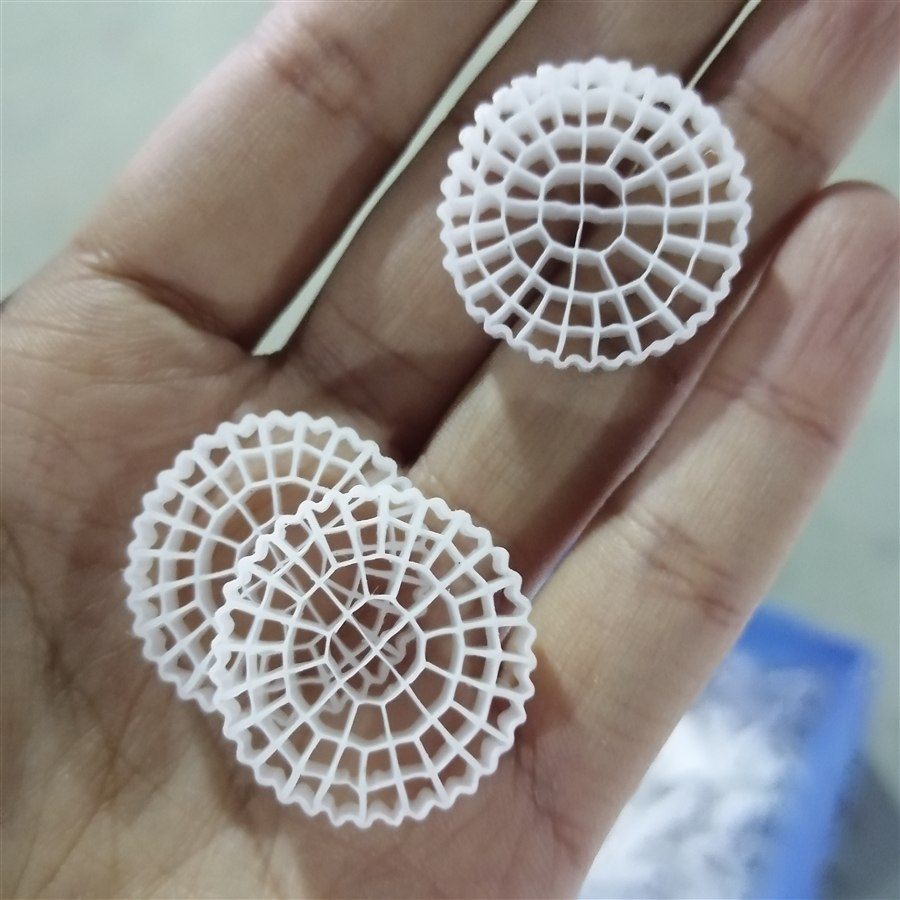
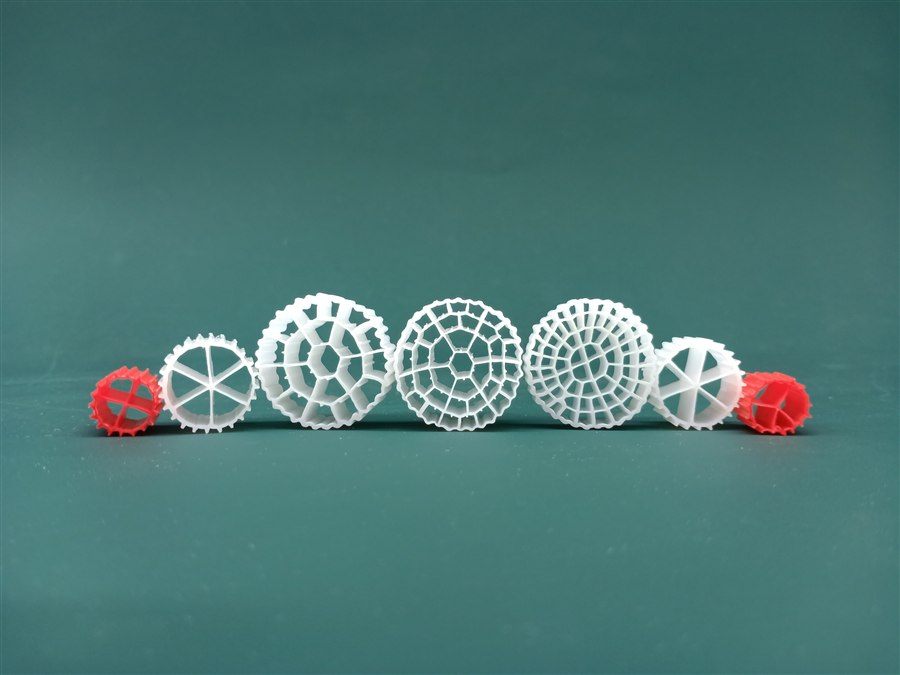
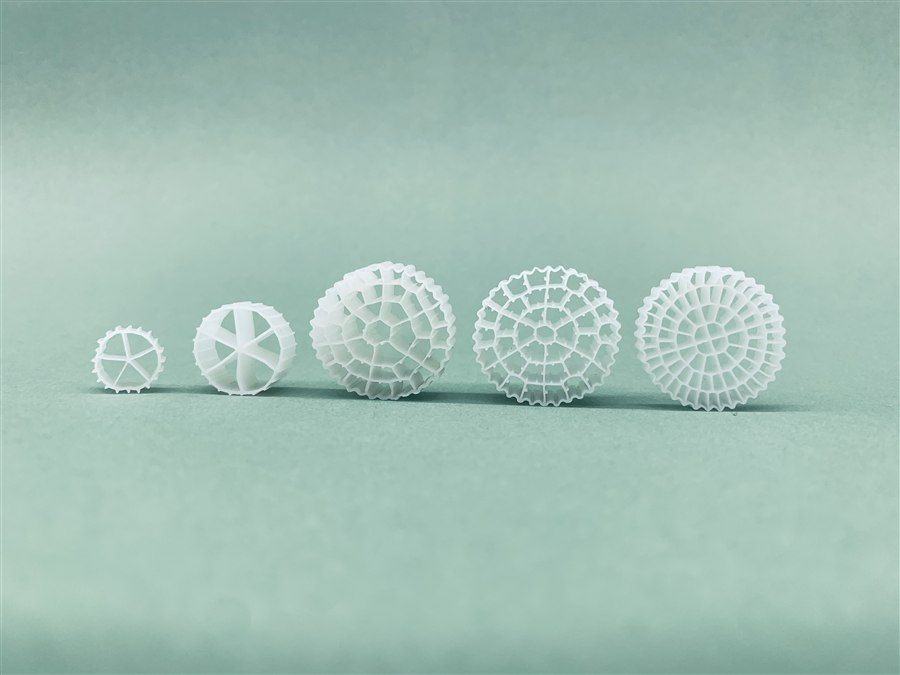
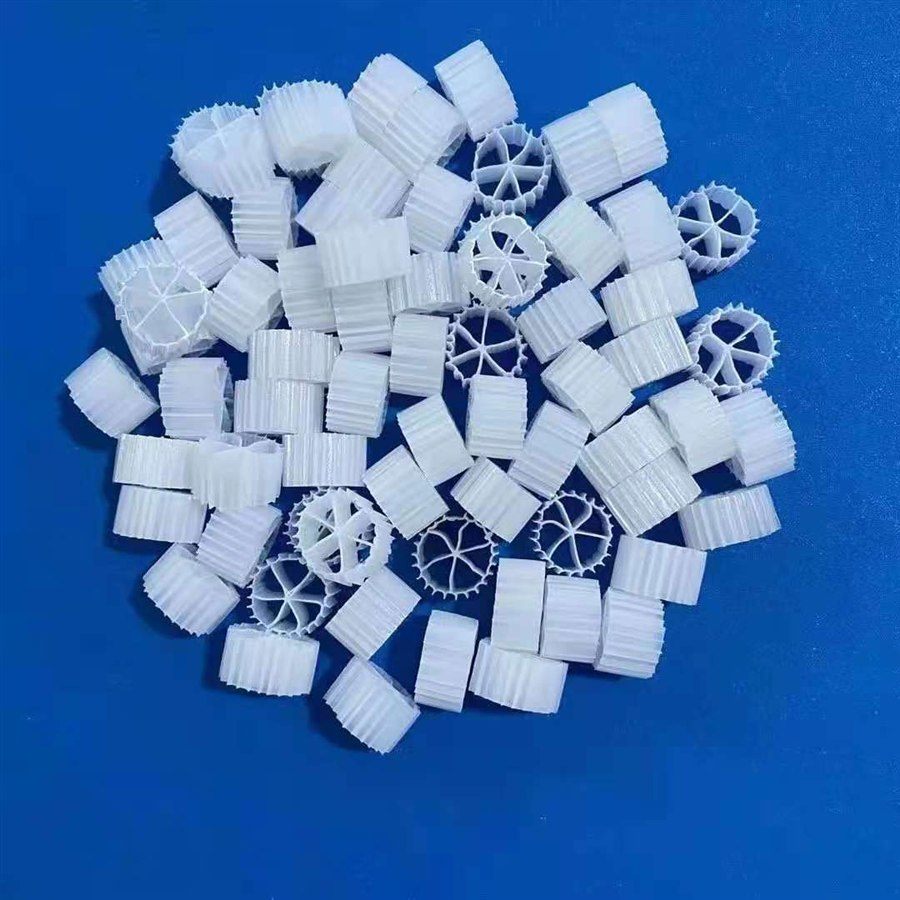
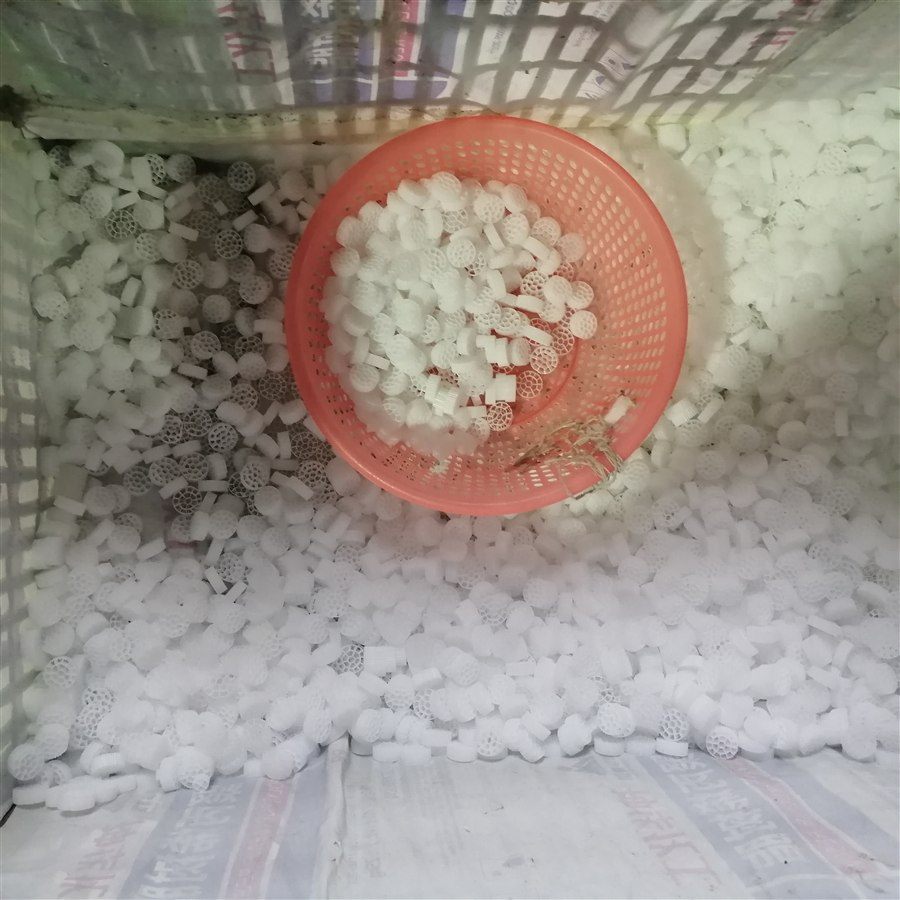
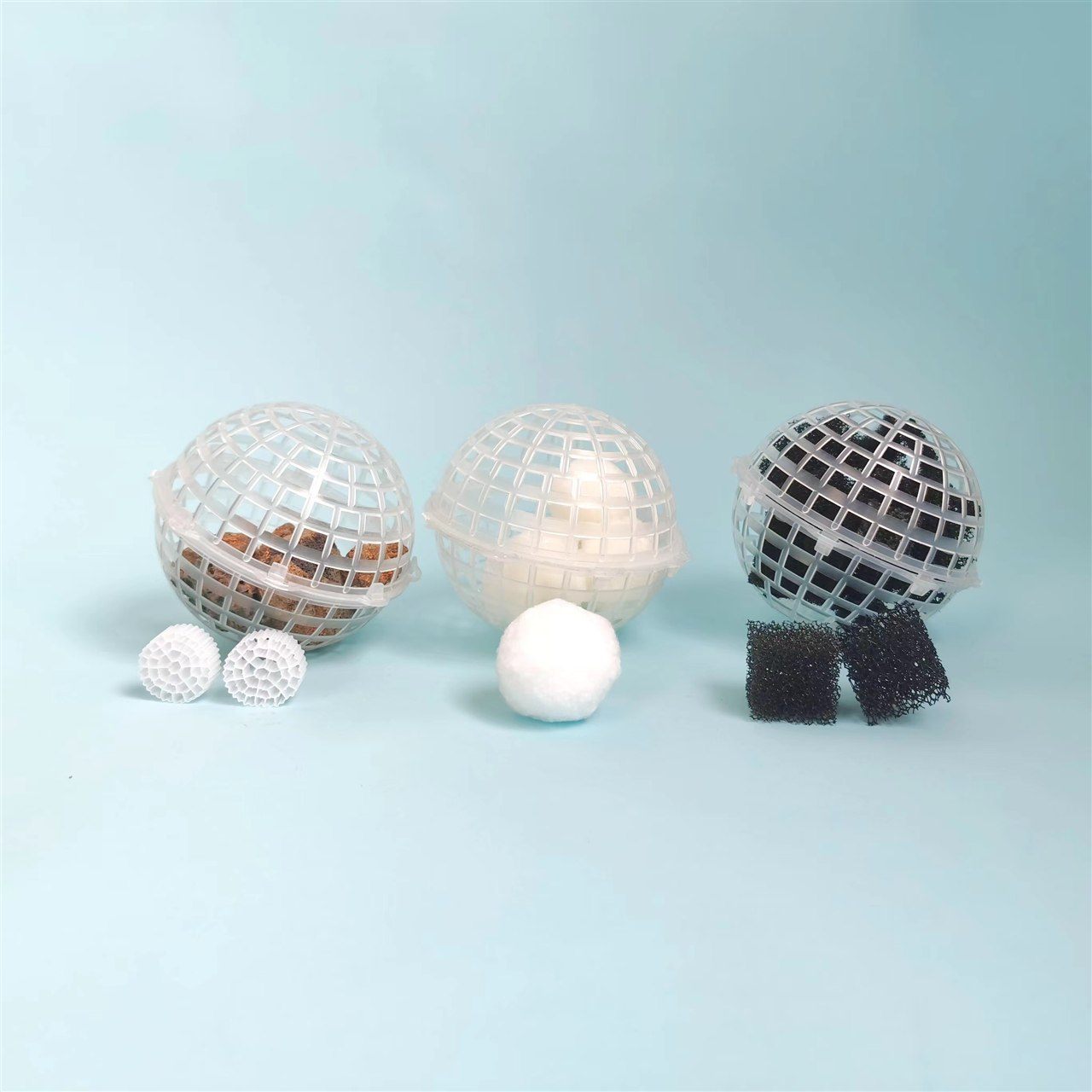
HDPE moving-bed biofilm media in K1–K5 types for biological wastewater treatment — Φ10–25mm, high protected surface area (>800–1000 m²/m³), high porosity (>85–90%) and fast biofilm formation, for efficient nitrification and organic removal.

K1–K5Types
Φ10–25Diameter mm
>1000m²/m³
>15 yrsService life
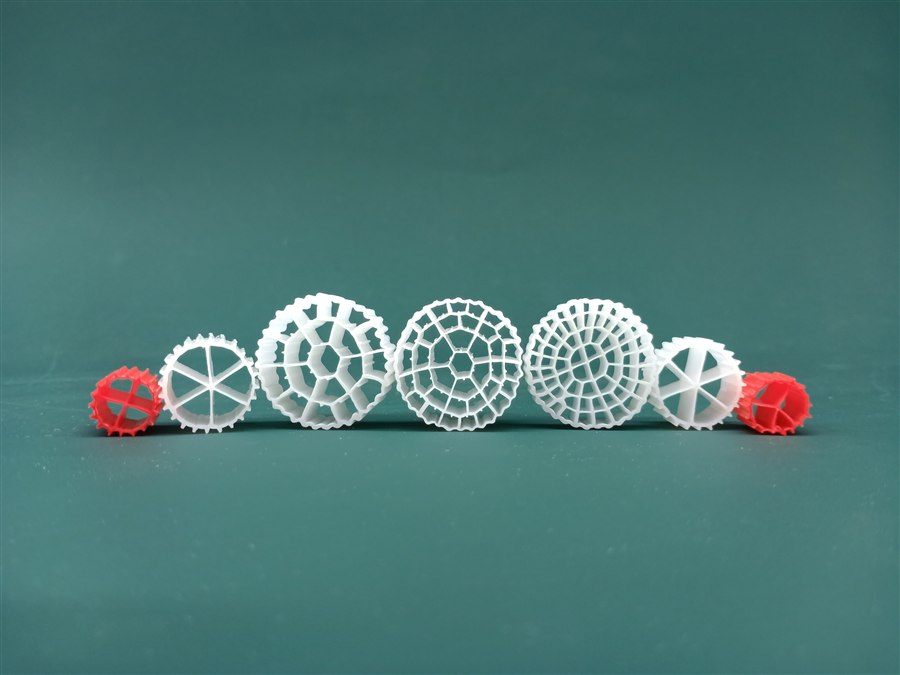
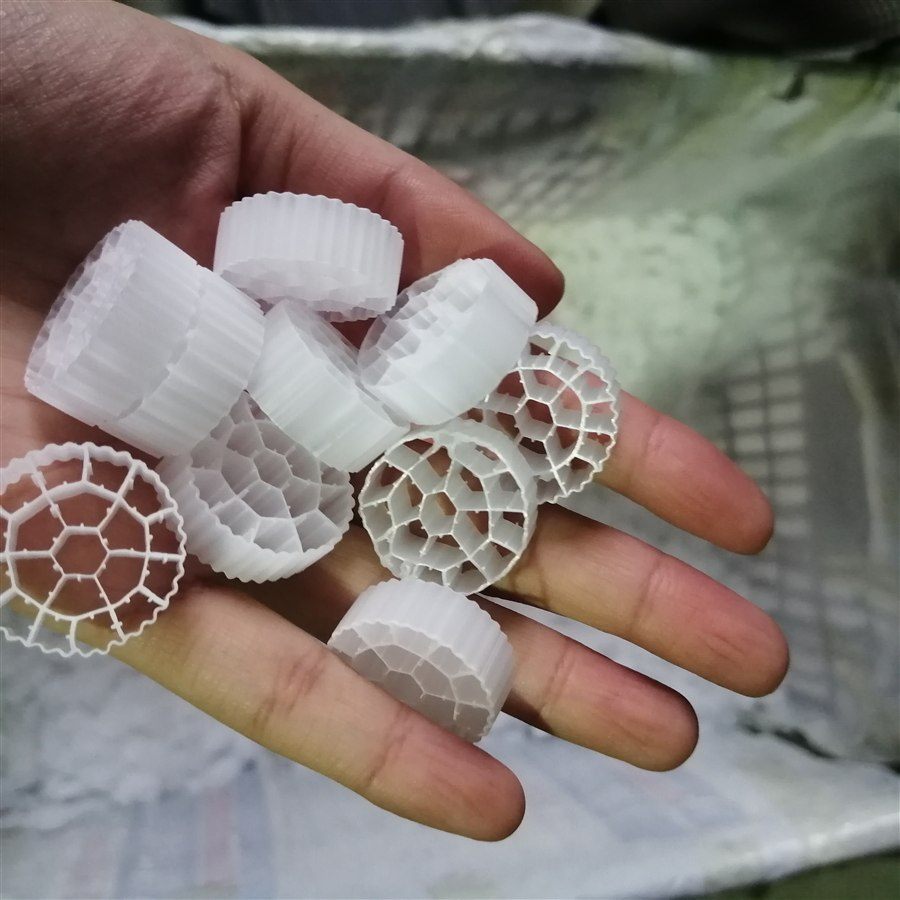
MBBR moving bed biofilm media
Types
K1 – K5
Diameter
Φ10 – 25 mm
Material
HDPE
Porosity
>85 – 90%
Service life
>15 years
Why this media

High surface,
fast biofilm

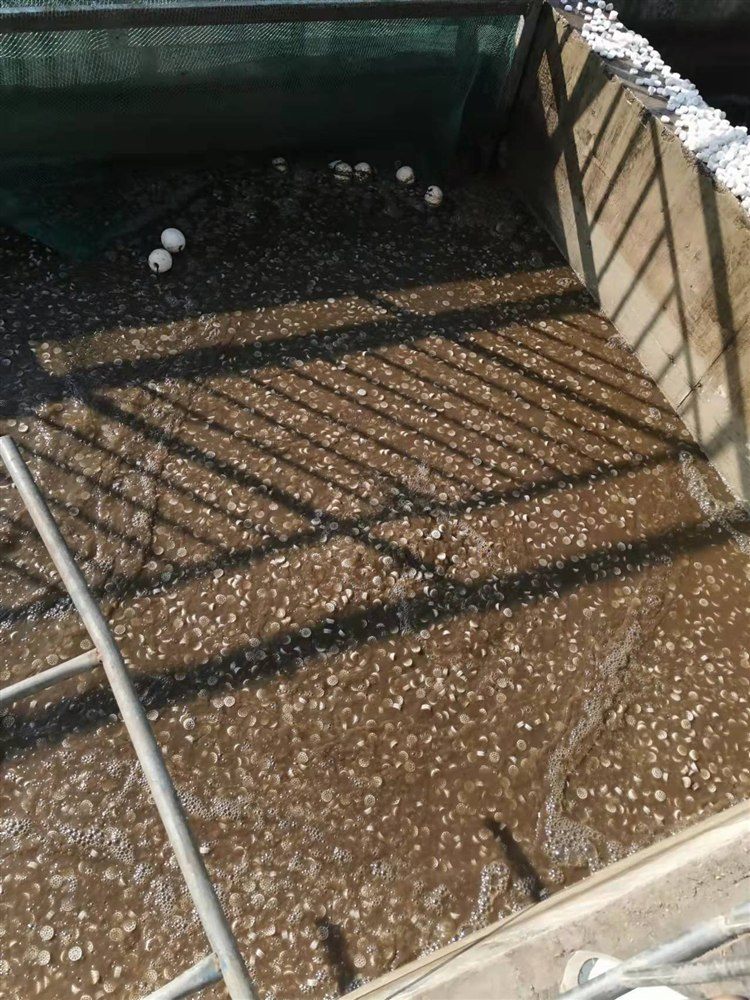
The open moving-bed carrier keeps a large protected surface for biofilm, so biological treatment stays active and stable while the media circulate in the reactor.

01

High protected surface

Open-carrier K1–K5 design gives a large protected surface for biofilm while protecting it from wear.

02

Efficient nitrification

With 3–15 day film formation, nitrification 400–1200 gN/m³·d and BOD/COD oxidation 2000–15000 g/m³·d, the media reduce footprint and increase capacity.

03

Durable HDPE

HDPE resists wear and chemical attack; long service life >15 years and a suggested dosing rate of 15–67%.

Product details

Technical core & performance

MBBR media are an active biological suspended carrier. A scientific recipe blends trace elements that favour rapid microbial attachment into the polymer matrix, modified by a special process — giving large specific surface area, good hydrophilicity, good mobility, high biological activity, easy film formation and a long service life.

  1. Fluid-dynamics-designed geometry strengthens surface attachment; the large carrier surface supports a high biomass concentration and strong treatment capacity.
  2. No support frame needed — easy to fluidize and energy-saving; raising the dosing rate increases capacity and treatment without new structures, saving 1/2–3/4 of the footprint.
  3. External film renews fast and stays active while the internal film is well protected, so micro-organisms grow well — higher degradation efficiency than traditional external-growth media.
  4. The special structure lets bubbles and pollutants pass freely through the carrier, increasing biofilm contact with oxygen and pollutants and greatly improving mass transfer and biological activity.
  5. Long microbial community life and a rich species profile suit nitrifiers, with both aerobic and anaerobic zones — clear nitrification and denitrification.
  6. Appropriate density (0.97–0.98 before film, ~1 after film) keeps the media floating when air is off and fully fluidized when aerated, minimizing energy; free rotation cuts and breaks large bubbles, raising oxygen utilization by 10%+ and lowering aeration energy.

Engineering advantages: efficient carbon removal and superior nitrogen removal. The carrier gives a safe environment for dominant bacteria and a longer sludge age, raising nitrifier concentration, while the high biological concentration damps inlet fluctuations and improves impact-load resistance. In a comparative trial treating septic-tank water (inlet COD 150–200 mg/L, NH₃-N 100–130 mg/L) with the same effective tank volume and no sludge return, two suspended-carrier systems dosed at 40% outperformed an activated-sludge process and also fixed-bed (D25 honeycomb), contact-oxidation (p150 combined) and moving-bed (q25 multi-faceted hollow ball) carriers dosed at 70% — showing higher carbon and nitrogen removal at a lower dosing rate. The biofilm process needs only adding media dosing to the existing tank — no new tank, saving significantly on footprint.

Specifications

Models & parameters

Working out how much carrier you need? The MBBR media calculation guide walks through the formula with a full worked example.

Deciding between MBBR and conventional activated sludge? See the process comparison for how the two differ on footprint, load resilience and retrofit suitability.

Every column in this table changes something in your design. See the MBBR specification guide for what each figure means, and the price factors guide for how to compare quotations.

K1–K5 type specifications. Suggested dosing rate 15–67%; film formation 3–15 days; operating temperature 5–60 ℃; service life >15 years.

ModelSize / mmHolesSurface area m²/m³Density g/cm³Pieces / m³Porosity %NitrificationBOD oxidation (g/m³·d)COD oxidation (g/m³·d)Pieces / kgkg / L
K1Φ10×104–5>8000.96>850,000>85400–12002000–100002000–1500020000.15
K2Φ15×106>8000.96>830,000>85400–12002000–100002000–1500011000.13
K3Φ25×1019>9000.96>76,000>90400–12002000–100002000–150005200.10
K4Φ25×1037>10000.96>76,000>90400–12002000–100002000–150003200.09
K5Φ25×564>10000.96>79,000>90400–12002000–100002000–150005000.10
MaterialSuggested dosing rateFilm formationOperating temp.Service lifeUnitPacking weight
HDPE15 – 67%3 – 15 days5 – 60 ℃>15 yearsm³~125 kg/m³ (K5)

PE series — detailed album specifications.

ModelSize / mmDensity g/cm³Dosing %Nitrification gN/m³·dSurface area m²/m³Pieces / m³LifeMaterial
PE01Φ12×90.94–0.9715–70400–1200>800>830,000>15 yrsHDPE
PE02Φ11×70.94–0.9715–75400–1200>900>830,000>15 yrsHDPE
PE03Φ10×70.94–0.9715–70400–1200>1000>900,000>15 yrsHDPE
PE04Φ16×100.94–0.9715–67400–1200>800>520,000>15 yrsHDPE
PE05Φ25×100.94–0.9715–65400–1200>800>118,000>15 yrsHDPE
PE06Φ25×100.94–0.9715–65400–1200>600>118,000>15 yrsHDPE
PE08Φ25×100.94–0.9715–70500–1400>1300>184,000>15 yrsHDPE
Applications

Where it fits

MBBR / moving bed biofilm reactorsMunicipal & industrial wastewaterNitrification / denitrificationUpgrading & retrofit (e.g. A²O + MBBR)BOD / COD removal
Product gallery

See the media up close

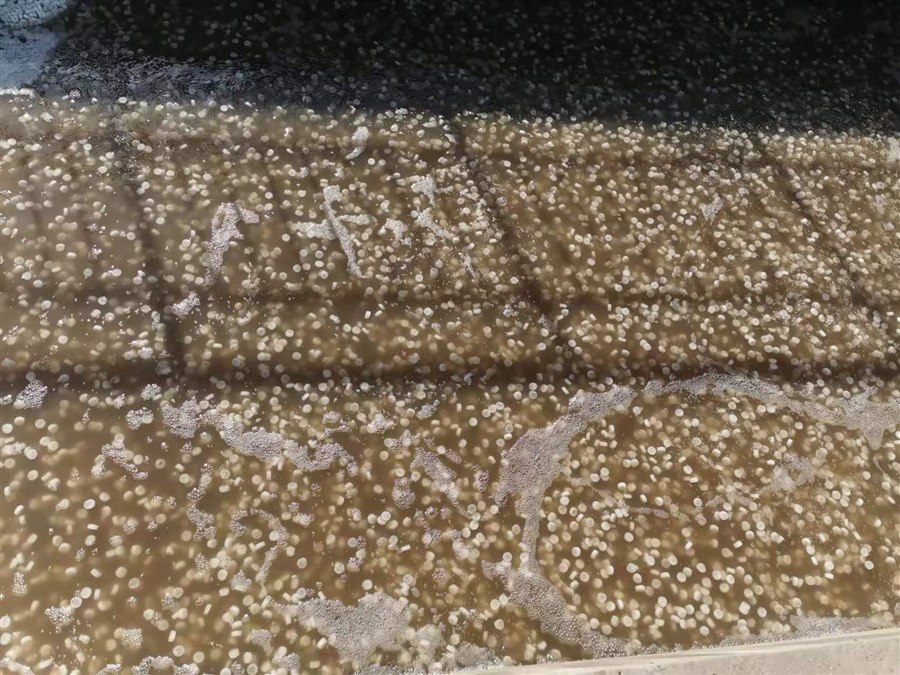
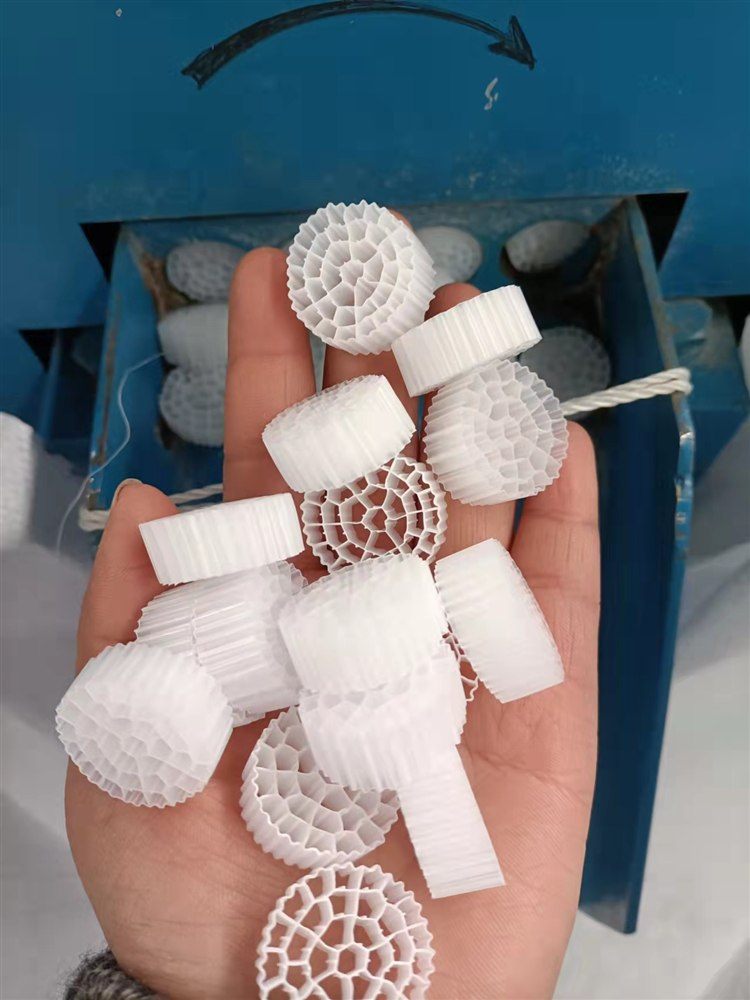
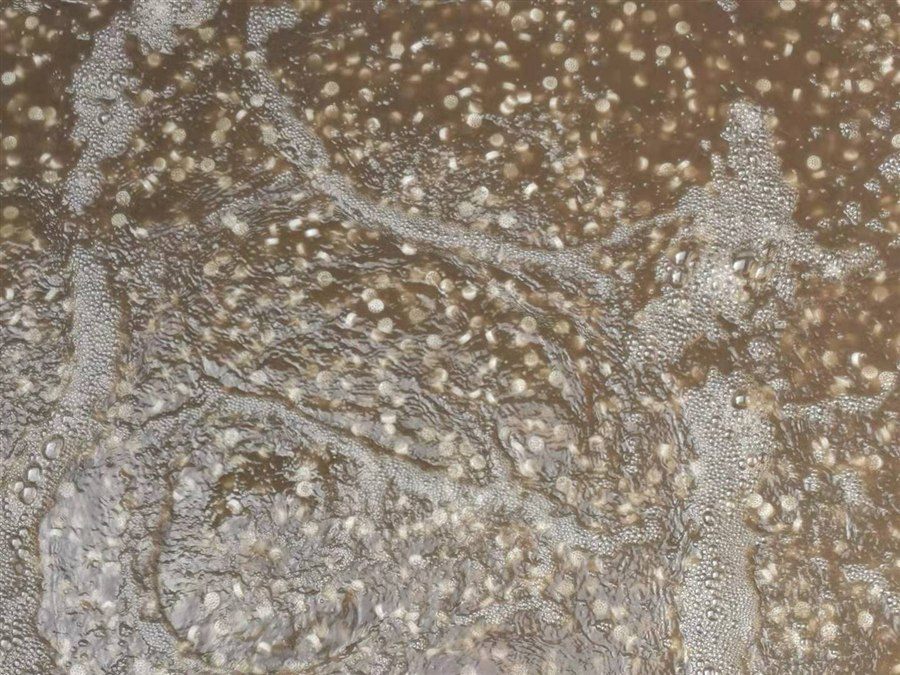
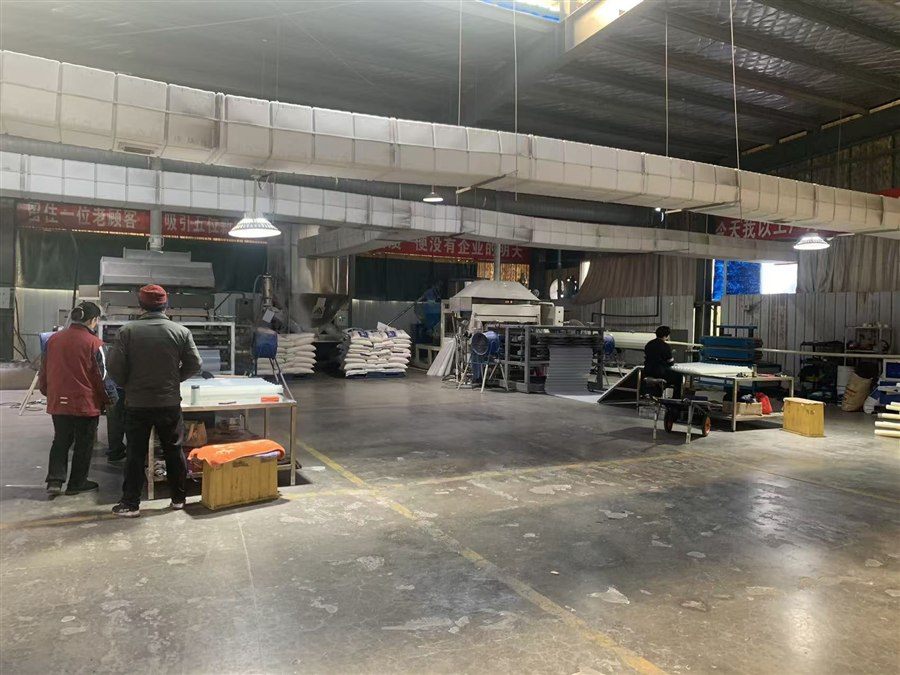
MBBR moving bed biofilm media
Common questions

MBBR media questions buyers ask most

Model selection, dosing rate, biofilm formation and what actually drives the price per cubic metre.

Q1

K1 or K5 — which model do I need?

K1 is Φ10×10 mm with 4–5 holes and over 800 m²/m³; K5 is Φ25×5 mm with 64 holes and over 1,000 m²/m³. Smaller carriers give more surface area and far more pieces per m³, so biofilm develops faster — but the internal channels are small and more sensitive to high solids. Our K1–K5 range plus the PE series (PE01–PE08) covers both ends, so the choice follows from your solids loading and reactor configuration.

Q2

How much media do I need?

The published suggested dosing rate is 15–67% of reactor volume. Your figure follows from the organic load you need to remove and the surface area of the carrier you pick — not from a rule of thumb. Send the reactor volume, influent and target effluent (BOD/COD, ammonia) and we will return a checked filling ratio and quantity.

Q3

How long does biofilm take to form?

Published film formation is 3–15 days, depending on temperature, seed sludge and load, with a published operating range of 5–60 °C. Acclimatisation to full nitrification takes longer than the first visible biofilm.

Q4

What is the service life and density?

Over 15 years for the HDPE grades we publish. Specific gravity is 0.96 for K1–K5 and 0.94–0.97 for the PE series, which keeps the bed fluidising at reasonable air rates.

Q5

What drives the price per cubic metre?

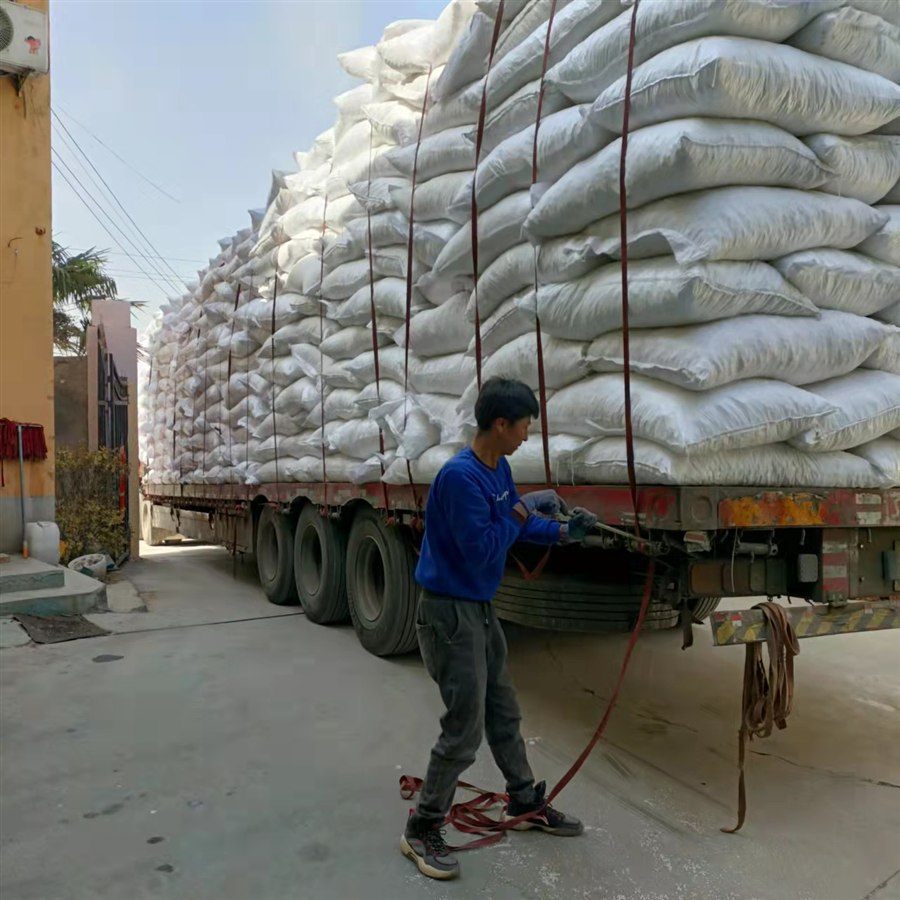
Model and geometry, virgin versus recycled polymer, order volume, the filling ratio you actually need, export packing and destination port. Carrier is bulky and light, so freight is often a significant share of landed cost. Ask for pricing at two or three volume points rather than one figure.

Q6

Which processes is it used for?

MBBR reactors and MBBR upgrades of existing plants, including A²O + MBBR retrofits, BOD and COD removal, and nitrification duty. Published K1–K5 rates are 400–1,200 gN/m³·d nitrification with BOD oxidation at 2,000–10,000 g/m³·d.
Related products

More from the same line

Tell us your application or standard

Send your water quality, treatment scale and target standard — we'll confirm the right K type, quantity and export packing.

Request a QuoteNo obligation · response within 24h (working days)